When you click the link, it will take you to the corresponding page.
炙りサバ刺
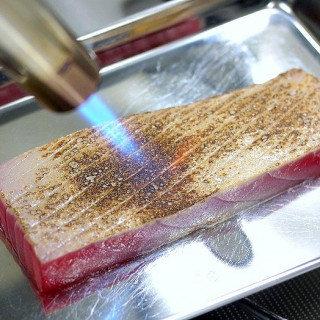
"Aburi" is a noun derived from the verb "Aburu" (炙る) in Japanese, which means to lightly sear or grill the surface of ingredients using direct flame. Unlike general grilling methods that evenly cook the entire ingredient, Aburi involves searing only the surface while leaving the inside uncooked. It is a cooking technique that allows for a contrast in texture and a smoky flavor between the outer and inner parts of the ingredients. Aburi sushi (炙り寿司), where the surface of fatty fish such as salmon or tuna is seared, is a representative example of Aburi cuisine. Even mild white-fleshed fish like sea bream can be enhanced in flavor and texture by searing the skin.
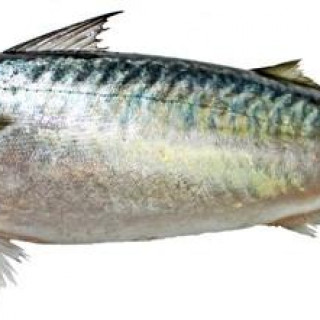
Mackerel (saba) is a key fish in Japanese cuisine, known for its rich, oily flavor. Classified as a blueback fish, it is packed with nutrients like DHA and EPA, making it a healthy choice. Due to its quick spoilage, saba is typically served as "shime-saba" in sushi restaurants, where it is lightly cured with vinegar to enhance preservation and add a tangy flavor. Shime-saba offers a perfect balance of the vinegary tang and the savory richness of mackerel, commonly enjoyed in nigiri sushi or pressed sushi (oshi-zushi). Other popular variations include grilled mackerel sushi (yaki-saba sushi) or lightly seared mackerel (aburi-saba), adding a smoky aroma. Mackerel is often reasonably priced, making it a popular and satisfying choice among sushi options.